Beauty Industry Startup Guide: From Passion to Business
Turning your passion for beauty into a sustainable business.
Turning your passion for beauty into a successful business is a dream for many. The beauty industry (including skincare, makeup, haircare, beauty tools, and health and beauty) is a vibrant and growing market, but this also means fierce competition. How do you find your entry point and launch steadily? Here's a practical guide from 0 to 1.
Step 1: Positioning – Finding Your "Sweet Spot"
Starting a business isn't just about "doing a beauty business" in general; it's about finding a precise battlefield where you can win.
• In-depth self-analysis: What is your most passionate niche in the beauty industry? Is it professional brushes, pure skincare, men's grooming, or solutions for specific skin types (such as oily and sensitive skin)? What are your expertise or unique experiences? A founder with a chemistry background might be better suited to functional skincare, while a seasoned makeup artist might start with professional makeup tools.
• Market gap scanning: Don't just look at what big brands are doing; look at what consumers are complaining about. What unmet pain points exist in beauty communities like Xiaohongshu, Weibo, and Reddit? "Can't find a foundation suitable for olive skin," "Lack of powerful makeup removers for sensitive skin"... These specific complaints represent opportunities.
• Define your value proposition: Clearly state in one sentence: Who are you serving, what problem are you solving, and what difference are you making? For example: "Providing busy urban working women with a 'ritualistic' and efficient skincare solution that can be completed in 5 minutes."
Action list:
1. Write down the intersection of your skills, passions, and resources.
2. Interview at least 10 target customers to verify whether the pain points are real and compelling.
3. Clearly state your core business idea in one sentence.
Step Two: Planning – Drawing Your Business Blueprint
Ideas need to be transformed into actionable plans. A concise business plan is your explanation to future investors and, more importantly, your roadmap.
• Business Model Selection:
◦ Product-oriented: Research and development and production of your own brand products (OEM/ODM). Key considerations include supply chain, inventory, and regulations (such as FDA, cosmetics registration). • Service-oriented: Opening a beauty salon, providing in-home beauty services, personal image consultations, etc. The core is standardized service processes and professional qualifications.
• Content/Platform-oriented: Becoming a beauty blogger, building a beauty community or review platform. The core is traffic acquisition and monetization capabilities.
• Financial Calculation:
• Startup Costs: Covering all expenses including product development, packaging design, initial production, website setup, brand registration, and initial marketing.
• Pricing Strategy: Cost price (product cost + packaging + logistics) × at least 3-5 times = retail price, ensuring sufficient gross margin to cover marketing, operations, and profit margins.
• Survival Period Calculation: How many months of operating costs without income can your savings or start-up capital cover? Define your financial safety net.
Action Checklist:
1. Choose and define your business model.
2. Create a 12-month financial budget, estimating monthly income and expenses.
3. Set clear start-up capital goals and fundraising plans. Step 3: Building a Brand – A Duet of Product and Brand
In the beauty industry, product and brand experience are equally important.
• Product Development and Compliance:
◦ Start small: Focus on creating 1-2 "hero products" initially, rather than an entire product line. Refine them deeply and strive for exceptional reputation.
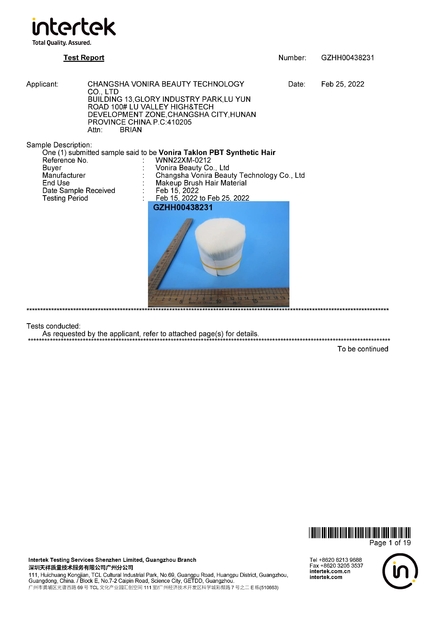
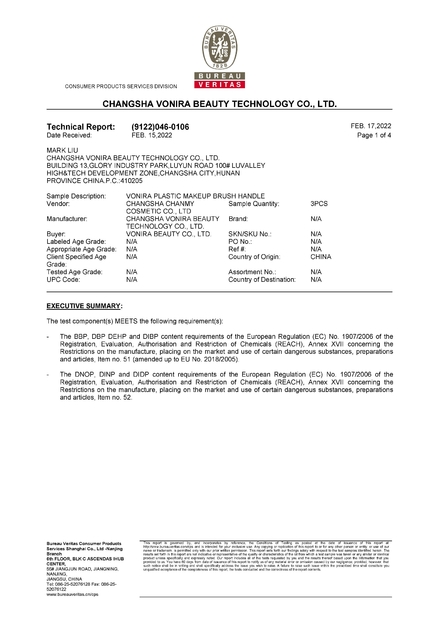
◦ Supply chain is key: Find reliable manufacturers (such as the custom brush manufacturer mentioned in the previous discussion). Always request samples, conduct rigorous testing, and confirm compliance with Good Manufacturing Practices (GMP).
◦ Regulatory compliance first: In China, ordinary cosmetics require filing, and special-purpose cosmetics require registration. Understand the process in advance to ensure your products can be legally launched.
• Brand Building:
◦ Tell a true story: People buy the "why" behind a brand. Why did you create it? What do you want to change? A sincere story is the best connector.
◦ Consistent visuals and experience: From the logo, packaging, website to customer service scripts, all touchpoints should convey a unified brand personality (is it minimalist science or retro luxury?). **Dual Storefront:** A professional, aesthetically pleasing, and easy-to-use independent website or mini-program store is your core asset. Social media (Xiaohongshu, Douyin, Instagram) is your main battleground.
**Action Checklist:**
1. Complete the formula/sampling of your first product and begin the registration process.
2. Determine your brand name, story, and visual identity system (VI).
3. Establish at least one core sales channel (such as a WeChat mini-program store).
**Step Four: Launch – Let the World See You**
Once everything is ready, meticulously plan your debut.
• **Pre-launch Phase:** Before the official launch, publish your brand story, founder's diary, and behind-the-scenes stories of product development on social media to build your initial following. You can invite a small group of users for internal testing to collect feedback and generate initial word-of-mouth.
• **Utilize Content Marketing:** Don't just post ads. Create valuable content: skincare knowledge, makeup tutorials, ingredient analysis, and real user reviews. Become a trusted source of information in your field.
• Focus on Micro-Influence: In the early stages, instead of chasing top KOLs, collaborate with a large number of "nano influencers" or loyal fans whose brand image aligns with yours. Their recommendations are often more authentic and have higher conversion rates.
• Gather Feedback and Iterate Quickly: The feedback from your first users is crucial. Listen actively; both positive reviews and complaints are valuable opportunities to optimize your product, service, and communication.
Action Checklist:
1. Plan a one-month pre-launch content calendar.
2. Contact and send products to 10-20 micro-opinion leaders for hands-on experience.
3. Prepare customer service contingency plans and after-sales procedures.
Long-Term Survival: Patience, Adaptability, and Passion
Starting a business in the beauty industry is a marathon. Success rarely comes overnight. Maintaining passion for your initial vision, respect for the market, and a thirst for learning is essential. Closely monitor changing consumer trends and keep your products innovative, but never stray from your brand's core values to chase trends.
Remember, you are building an asset, not just selling a batch of goods. Every satisfied customer is a cornerstone of your brand's edifice. From here, transform your understanding of beauty into a tangible, shareable, and continuously growing business.


 Your message must be between 20-3,000 characters!